


-

Add: HeBei ShengShi HongBang Cellulose Technology CO.,LTD.
-

Email
13180486930@163.com -

CONTACT US
+86 13180486930
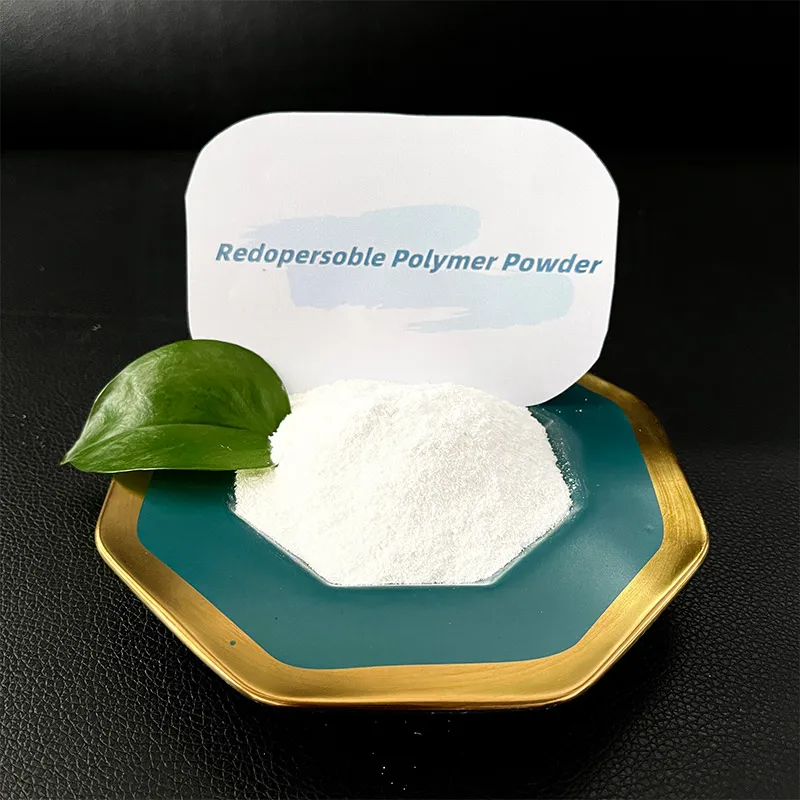

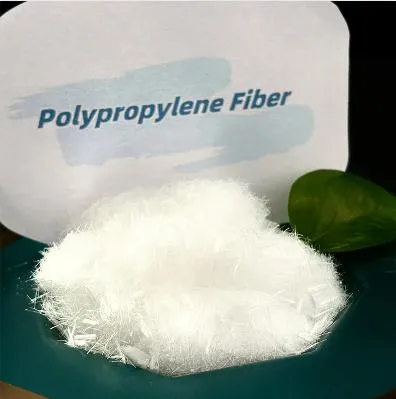



When it comes to enhancing the durability and strength of concrete, polypropylene fiber is an indispensable material. Known for its lightweight, corrosion-resistant properties, polypropylene fiber is widely used in construction to reinforce concrete, making it stronger, more durable, and more flexible. The addition of polypropylene fiber improves the overall performance of concrete by reducing cracking, improving freeze-thaw resistance, and providing better impact resistance. Whether you're working on large-scale infrastructure projects or residential buildings, incorporating polypropylene fiber into your concrete mix ensures high-quality, long-lasting results. Polypropylene Fiber in Concrete: Revolutionizing the Industry Polypropylene fiber in concrete is becoming a standard practice for improving the structural integrity of concrete mixes. When added to concrete, polypropylene fiber in concrete helps reduce the risk of microcracking, which can occur due to shrinkage or thermal stresses. The fibers disperse evenly throughout the mix, creating a more uniform and cohesive material. As a result, polypropylene fiber in concrete enhances the concrete’s durability and toughness, especially in high-stress environments like industrial flooring, highways, and bridges. With the increasing demand for sustainable construction, polypropylene fiber in concrete offers an affordable, eco-friendly solution for improving material performance. Find Quality Polypropylene Fiber for Sale Are you looking for polypropylene fiber for sale ? Look no further! We offer high-quality polypropylene fiber that meets the needs of various industries, especially in construction. Whether you’re looking to reinforce concrete, improve asphalt, or enhance other building materials, we have the right polypropylene fiber for sale for your project. Available in various grades and specifications, our polypropylene fiber products are designed to offer excellent performance, ease of use, and long-lasting results. Browse our selection of polypropylene fiber for sale and find the perfect match for your needs today! Understanding the Factors Behind Polypropylene Fiber Price The polypropylene fiber price can vary based on several factors, including the quality of the fiber, the quantity purchased, and the supplier. Typically, polypropylene fiber price is determined by the raw materials used, the manufacturing process, and the specific properties of the fiber. While polypropylene fiber price may differ between suppliers, investing in high-quality fibers ensures long-term benefits in terms of strength and durability. If you’re looking for the best value for your project, we offer competitive polypropylene fiber price s without compromising on quality. Contact us to discuss your requirements and get the most cost-effective solution for your concrete reinforcement needs. Why Choose Our Polypropylene Fiber for Your Construction Needs? Our polypropylene fiber products are carefully manufactured to meet the highest standards of quality and performance. Whether you need polypropylene fiber for sale in bulk for a large construction project or in smaller quantities for a specialized application, we can cater to your specific needs. With outstanding benefits like increased crack resistance, reduced shrinkage, and enhanced concrete durability, our polypropylene fiber is the perfect choice for improving the structural integrity of concrete. We offer highly competitive polypropylene fiber price s, ensuring that you get the best value for your investment. Trust us to provide top-quality polypropylene fiber for all your construction needs. Polypropylene Fiber FAQs What is polypropylene fiber used for in concrete? Polypropylene fiber in concrete is primarily used to enhance the strength and durability of the material. It helps prevent cracking by controlling shrinkage, improving impact resistance, and increasing freeze-thaw durability. By distributing evenly throughout the concrete mix, polypropylene fiber provides reinforcement that makes the concrete more resistant to stress and wear, resulting in longer-lasting structures. Where can I buy polypropylene fiber for sale? We offer a wide selection of polypropylene fiber for sale that meets the highest standards of quality, ensuring you get the best product for your concrete reinforcement needs. Browse our collection today and take advantage of our competitive prices. How does polypropylene fiber improve concrete? Polypropylene fiber improves concrete by enhancing its structural properties. It helps prevent cracking due to shrinkage, reduces the likelihood of surface wear, and improves the concrete’s resistance to water damage. Additionally, polypropylene fiber increases the material’s ability to withstand thermal and mechanical stresses, making it ideal for a wide range of applications in construction. What factors affect the polypropylene fiber price? The polypropylene fiber price is influenced by factors such as the grade of the fiber, the quantity purchased, and the supplier. High-quality polypropylene fiber designed for heavy-duty applications may have a higher price, while bulk purchases may lower the price per unit. We offer competitive polypropylene fiber price s, ensuring you get the best quality for your budget. Contact us for customized pricing based on your needs. Why should I choose your polypropylene fiber for my project? Our polypropylene fiber is designed for superior performance, offering outstanding crack resistance, durability, and flexibility in concrete. Whether you need polypropylene fiber for sale for a large construction project or a small-scale application, our products meet the highest industry standards. We provide polypropylene fiber at competitive prices, ensuring that you receive great value without compromising on quality. Trust us to deliver the best solution for your concrete reinforcement needs.
- 40000tons

Production
- 20+years

Experience
- 5000+㎡

Acreage

-
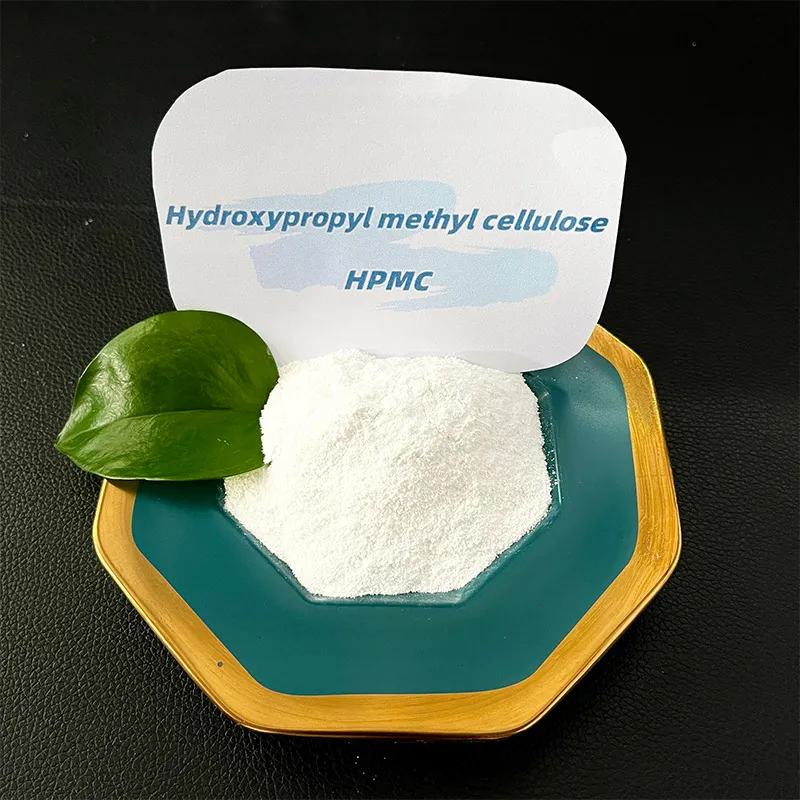
In the world of industrial applications, particularly in the realm of pharmaceuticals and construction, two polymers often come to the forefront Hydroxyethyl Cellulose (HEC) and Hydroxypropyl Methylcellulose (HPMC). Both are cellulose derivatives, but their distinct properties and applications make choosing between them a critical decision based on specific project requirements. HEC is favored in scenarios where high levels of water retention and thickening are paramount . This makes it ideal for use in paint formulations, where it acts as a rheology modifier, ensuring a smooth application and consistent pigment distribution. Moreover, in the construction industry, HEC finds its role in tile adhesives and cement-based mortars, enhancing workability and open time. Its water-retentive abilities allow for extended working times and prevent rapid drying, which is crucial for optimum setting and bonding. In contrast, HPMC is often chosen for its superior film-forming capabilities and its ability to withstand higher temperatures, making it indispensable in the pharmaceutical industry. Used as a binder and controlled-release agent in tablet formulations, HPMC ensures the stability and efficacy of medications over time. Additionally, in building and construction applications, HPMC's robust adhesive properties and resistance to environmental conditions make it an excellent choice for rendering and plastering tasks. A deep dive into the synthesis of these polymers reveals that HEC is derived by reacting ethylene oxide with alkali cellulose, while HPMC is produced by the reaction of alkali cellulose with propylene oxide and methyl chloride. These reactions imbue each polymer with its unique characteristics, influencing their solubility, viscosity, and thermal stability. For example, HEC dissolves readily in water, forming clear solutions, whereas HPMC requires a more gradual introduction to water, with full hydration enhancing its thickening efficiency. hec vs hpmc From an expert perspective, the choice between HEC and HPMC should be guided by the specific conditions of use. In a project with fluctuating temperatures or one requiring a protective film, HPMC's thermal resilience is unmatched. On the other hand, when dealing with formulations where prolonged moisture retention is critical, as seen in certain adhesive applications, HEC stands out with its exceptional hydrophilicity. Authoritative studies have supported the use of HPMC in pharmaceutical coatings where consistency and reliability are non-negotiable due to its non-toxic nature and FDA approval for direct contact with food and drugs. Similarly, trust in HEC is evident in its long-standing use in latex paint systems, where its compatibility and stability ensure a prolonged shelf-life and superior application properties. Ultimately, the decision between HEC and HPMC hinges on a nuanced understanding of the end-use environment and desired performance outcomes. Leveraging the profound expertise inherent in these materials allows industry professionals to make informed, authoritative choices, enhancing both the quality and efficiency of their products.
-

Understanding HPMC and Its Melting Point Characteristics Hydroxypropyl Methylcellulose (HPMC) is a versatile cellulose ether widely utilized in various industries, including pharmaceuticals, food, and construction. Known for its excellent film-forming properties and water solubility, HPMC is often chosen for its ability to modify the physical properties of products. One noteworthy aspect of HPMC that warrants discussion is its melting point characteristics, an important factor influencing its applications. HPMC is synthesized by modifying cellulose with hydroxypropyl and methyl groups, thereby enhancing its solubility and stability. Unlike traditional cellulose, which is insoluble in cold water, HPMC dissolves well, forming a clear gel-like solution. This solubility profile makes HPMC a preferred choice for a range of applications, particularly in the pharmaceutical sector, where it serves as an excipient, stabilizer, and controlled-release agent. Understanding HPMC and Its Melting Point Characteristics In practical terms, the thermal properties of HPMC are often evaluated through differential scanning calorimetry (DSC) or thermogravimetric analysis (TGA). These methods help identify the temperature ranges where significant weight loss occurs, indicating decomposition rather than melting. Typically, the thermal degradation of HPMC starts around 200°C, but this can vary depending on the degree of substitution and the molecular weight of the polymer. hpmc melting point The absence of a well-defined melting point affects how HPMC behaves in various formulations. For instance, when used in pharmaceutical tablets, the processing temperature must be carefully controlled to avoid degradation. If the temperature exceeds the decomposition threshold, the HPMC’s beneficial properties could be compromised, leading to ineffective drug release profiles. In addition to pharmaceutical applications, HPMC is widely used in the food industry. It acts as a thickening agent, stabilizer, and emulsifier, helping to improve the texture and consistency of various food products. Understanding the thermal properties of HPMC is essential in these applications as well. During food processing, high temperatures can be employed to ensure proper mixing and incorporation, but care must be taken to avoid exceeding the thermal limits of HPMC to maintain the desired product quality. Moreover, in the construction industry, HPMC is utilized in drywall joint compounds, tile adhesives, and other materials. Its water retention properties help improve workability and prevent premature drying. When formulating these products, manufacturers need to consider the thermal properties of HPMC to ensure performance stability during application and curing processes. The melting point characteristics of HPMC highlight its significance across various fields. While it may not exhibit a conventional melting point, understanding its thermal behavior is paramount for optimizing its use in formulations. Various factors, including degree of substitution, molecular weight, and processing conditions, play a role in determining how HPMC interacts in different applications. In conclusion, HPMC is a valuable polymer with wide-ranging applications and unique melting point characteristics that affect its functionality. Those working with HPMC should be aware of its thermal behavior to harness its full potential while ensuring product efficacy and safety. As research and technology advance, the understanding of HPMC and its properties will continue to evolve, paving the way for innovative solutions in pharmaceutical, food, and construction applications.
advantages
-

200000 Viscosities
Excellent product
We can produce pure products up to 200,000 viscosities
-

40000 tons
High yield
We don’t stop production all year round, and the annual output can reach 40,000 tons
-

24 hours
Quality service
We provide 24-hours online reception service, welcome to consult at any time
———— Inquiry Form
Schedule A services

-
 microfibre_synthetique
Oct . 25, 2025
What is HPMC Made From? Hydroxypropyl Methylcellulose (HPMC) is a versatile and widely used polymer -
 hidroksimetil_selulosa
Oct . 25, 2025
Hydroxypropyl methylcellulose (HPMC) has become an integral component in the construction industry, -
 fibre_slab
Oct . 25, 2025
Redispergable Latex Powder An Innovative Solution in the Coating Industry In recent years, the deman


